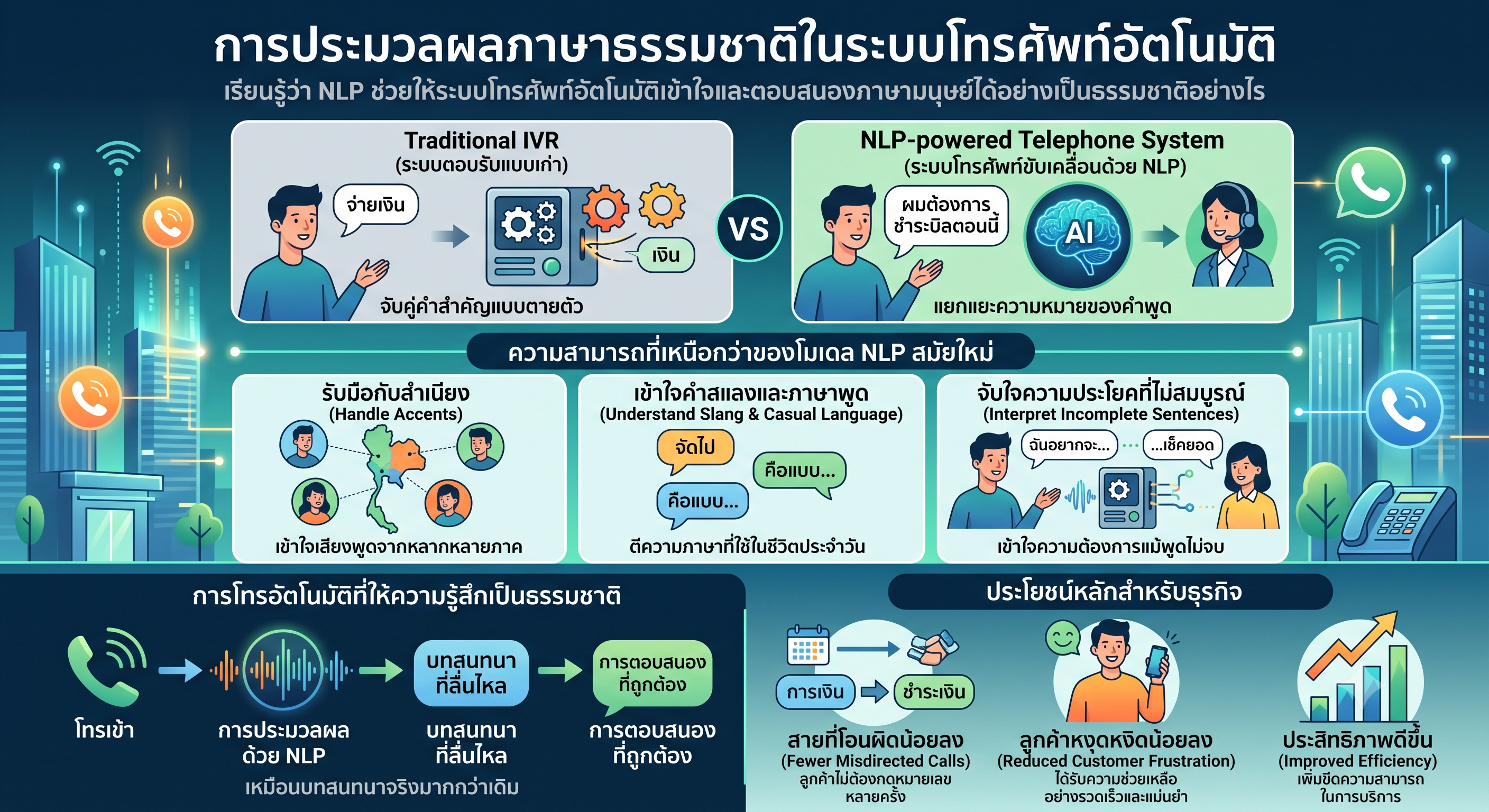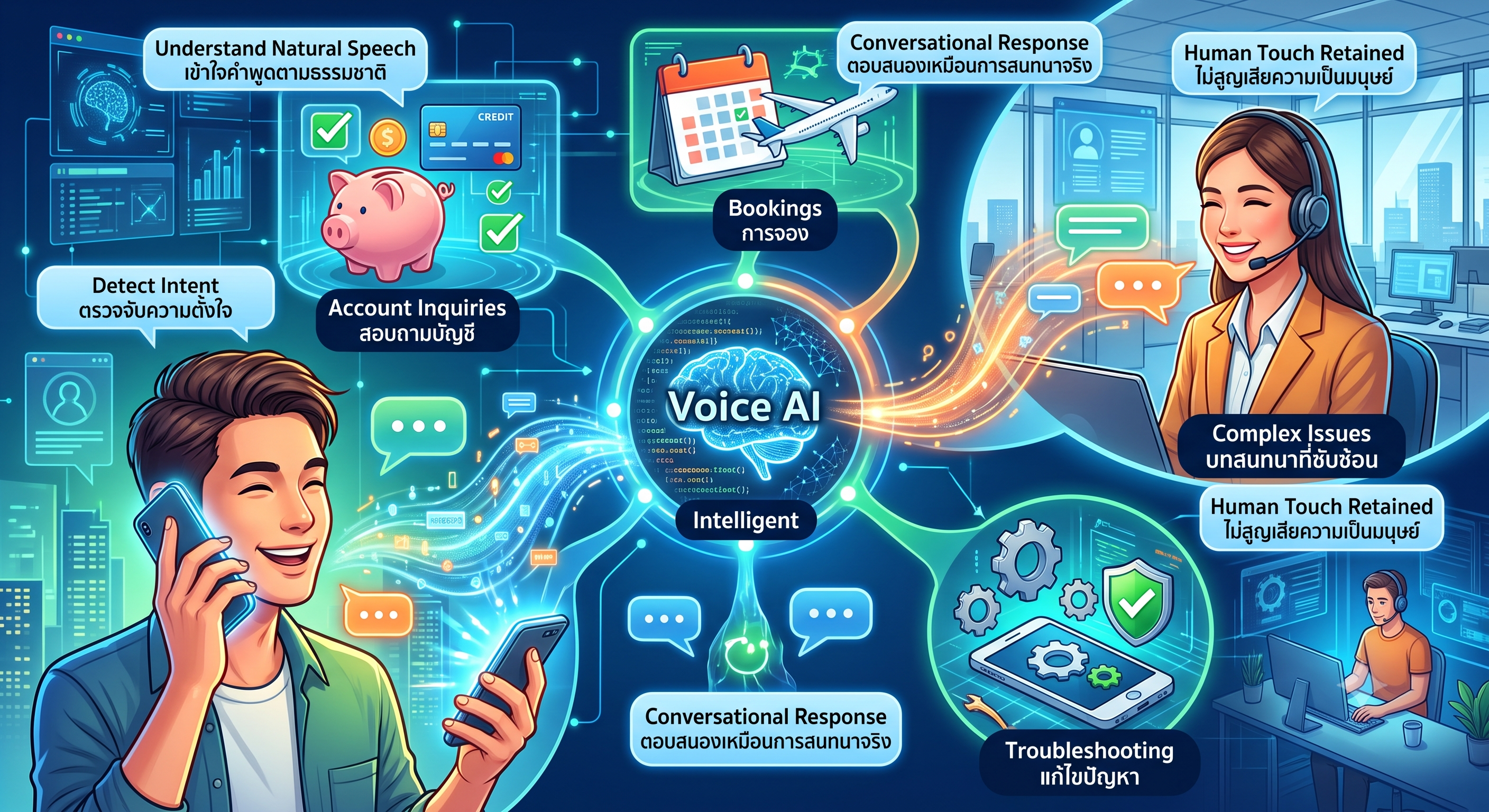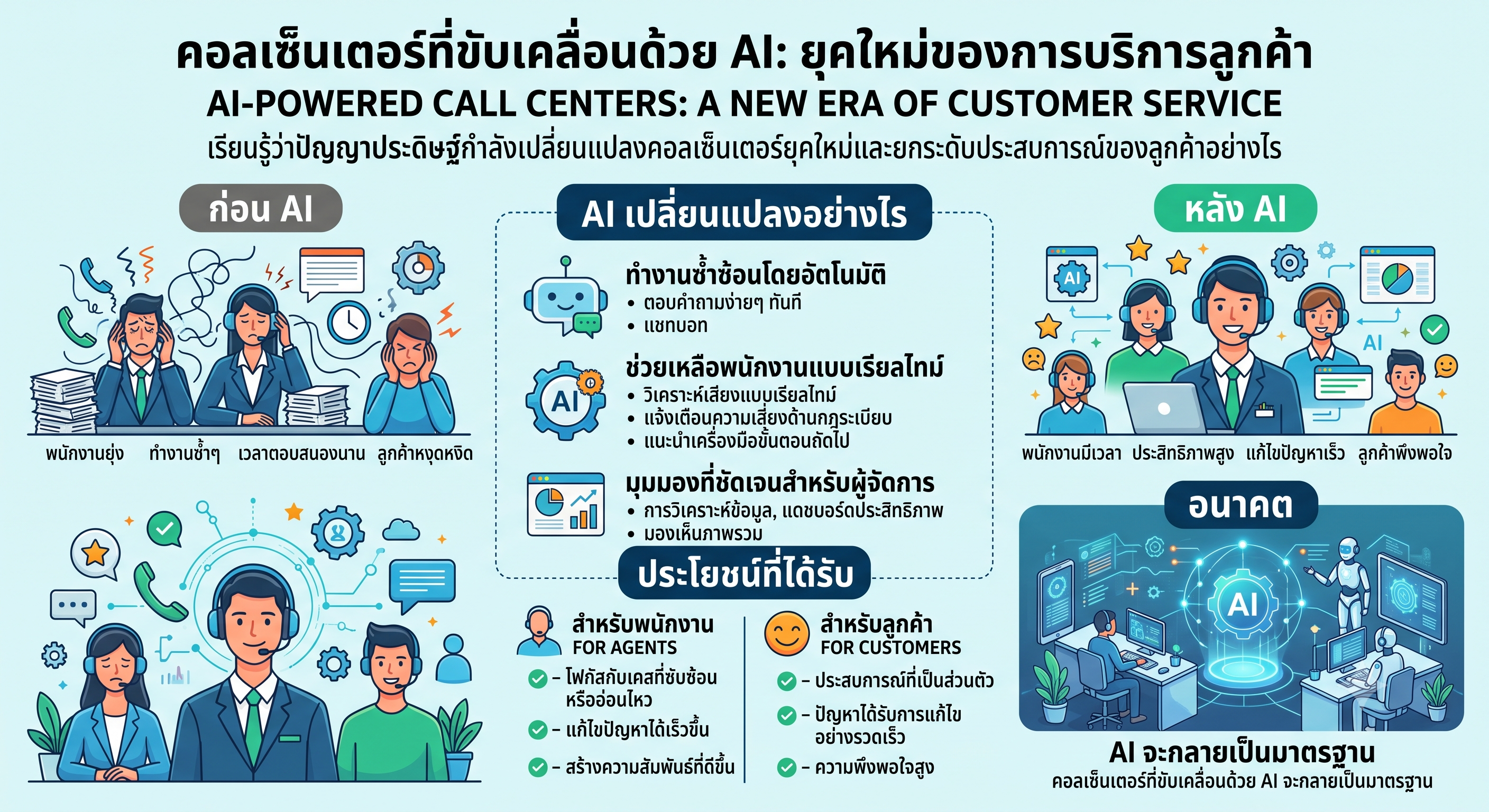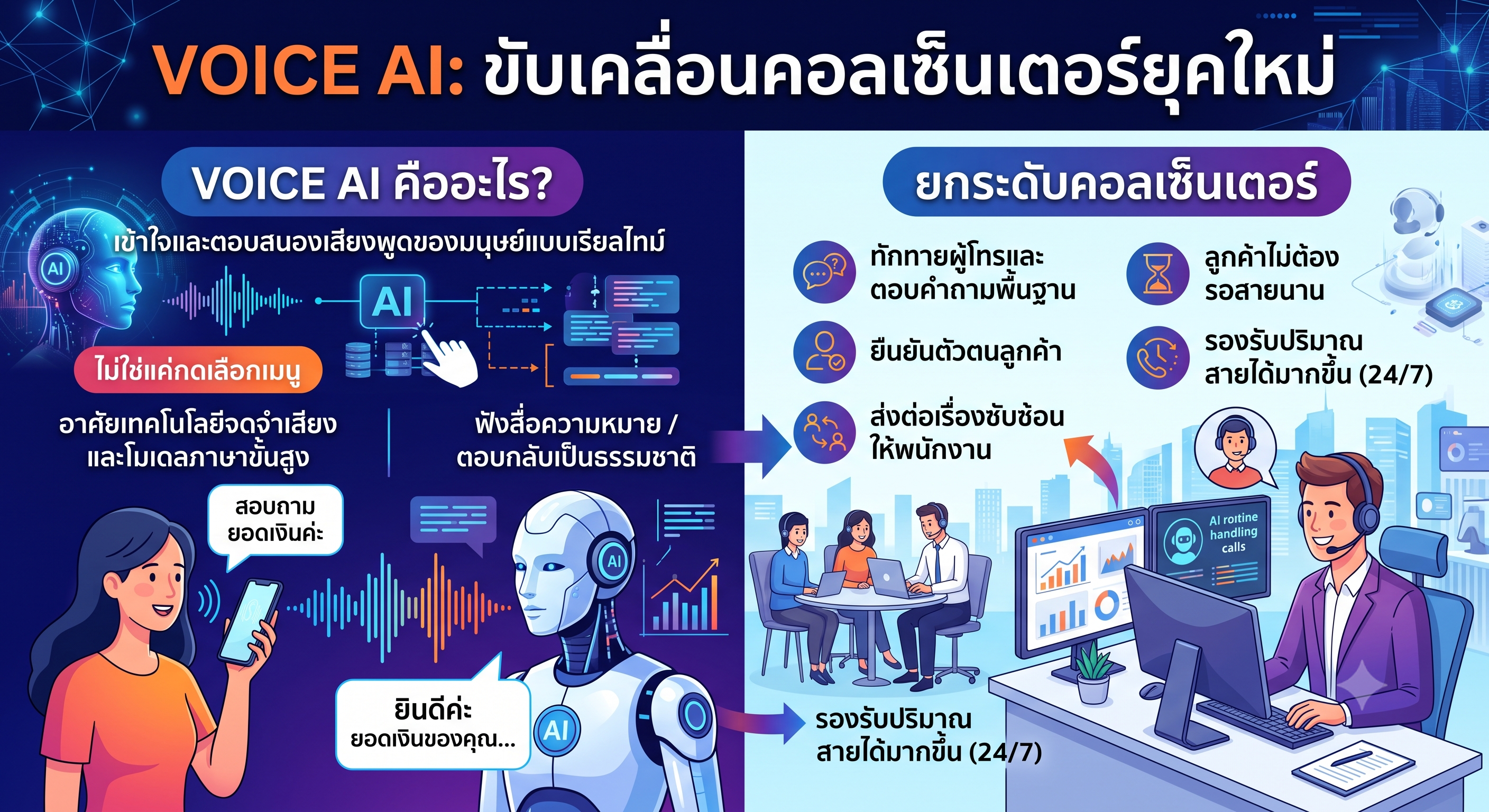
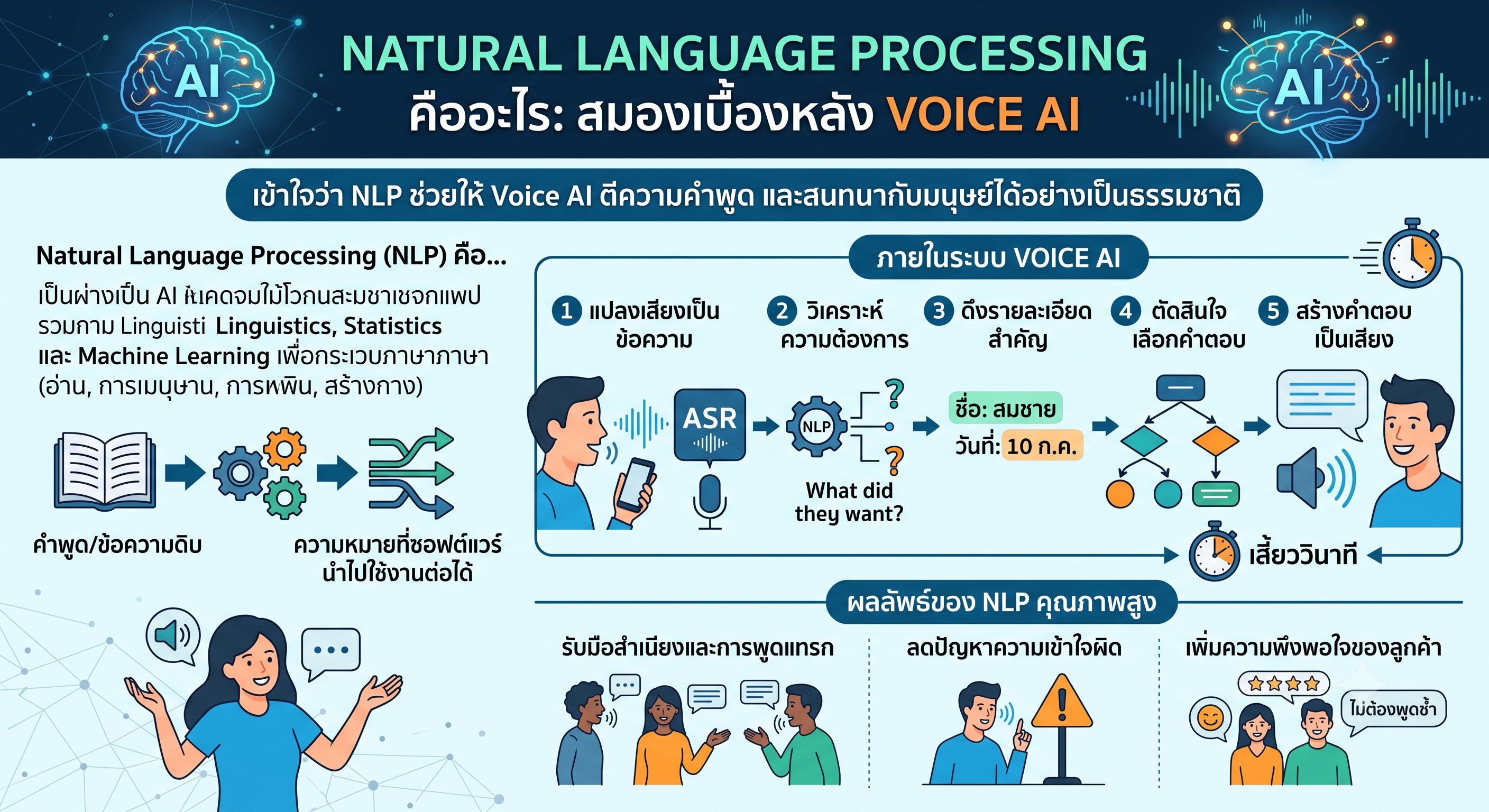
Natural Language Processing, or NLP, is the branch of artificial intelligence that allows computers to read, interpret, and generate human language. It combines linguistics, statistics, and machine learning to turn raw spoken or written words into structured meaning that software can act on.
Inside a Voice AI system, NLP works alongside speech recognition to convert audio into text, then figure out the caller's intent, extract key details such as names or dates, and decide on the most appropriate reply. This pipeline happens in a fraction of a second, which is why conversations feel natural rather than robotic.
The quality of NLP directly affects how well a calling system handles accents, interruptions, and unusual phrasing. Businesses that invest in strong NLP models see fewer misunderstood requests and higher customer satisfaction, since callers rarely need to repeat themselves.
How NLP Handles Real Conversations
In a banking hotline, NLP separates an intent like "check my balance" from a similar one like "dispute a charge," even when a caller phrases both in the same breath. In retail support, it can pull an order number out of a sentence such as "I'm calling about order 48213 that hasn't arrived" without asking the caller to repeat the digits one by one. In healthcare scheduling, it recognizes date expressions like "next Tuesday afternoon" and converts them into a specific calendar slot within about 300 milliseconds, so the booking step feels instant rather than scripted.
Measurable Impact
Contact centers that upgrade from rule-based scripts to modern NLP models typically report intent recognition accuracy above 90%, compared with roughly 70% for keyword-matching systems. Average call duration for routine requests drops by 20 to 30 seconds once callers no longer need to repeat themselves, and first-call resolution rates commonly rise by 10 to 15 percentage points. Some deployments also see a 25% reduction in agent transfers, since the system correctly routes complex cases the first time instead of bouncing callers between departments.
Where NLP Still Struggles
NLP is not immune to error. Strong regional accents or code-switching between two languages mid-sentence can lower recognition accuracy by several percentage points until the model is retrained on local speech samples. Background noise from a moving vehicle or a crowded store can distort short words like "yes" or "no," so well-designed systems build in confirmation prompts for critical actions such as payments or cancellations. Sarcasm, idioms, and highly emotional speech remain difficult to interpret reliably, which is why sensitive calls should still escalate to a human agent without forcing the caller to restate what they already explained.