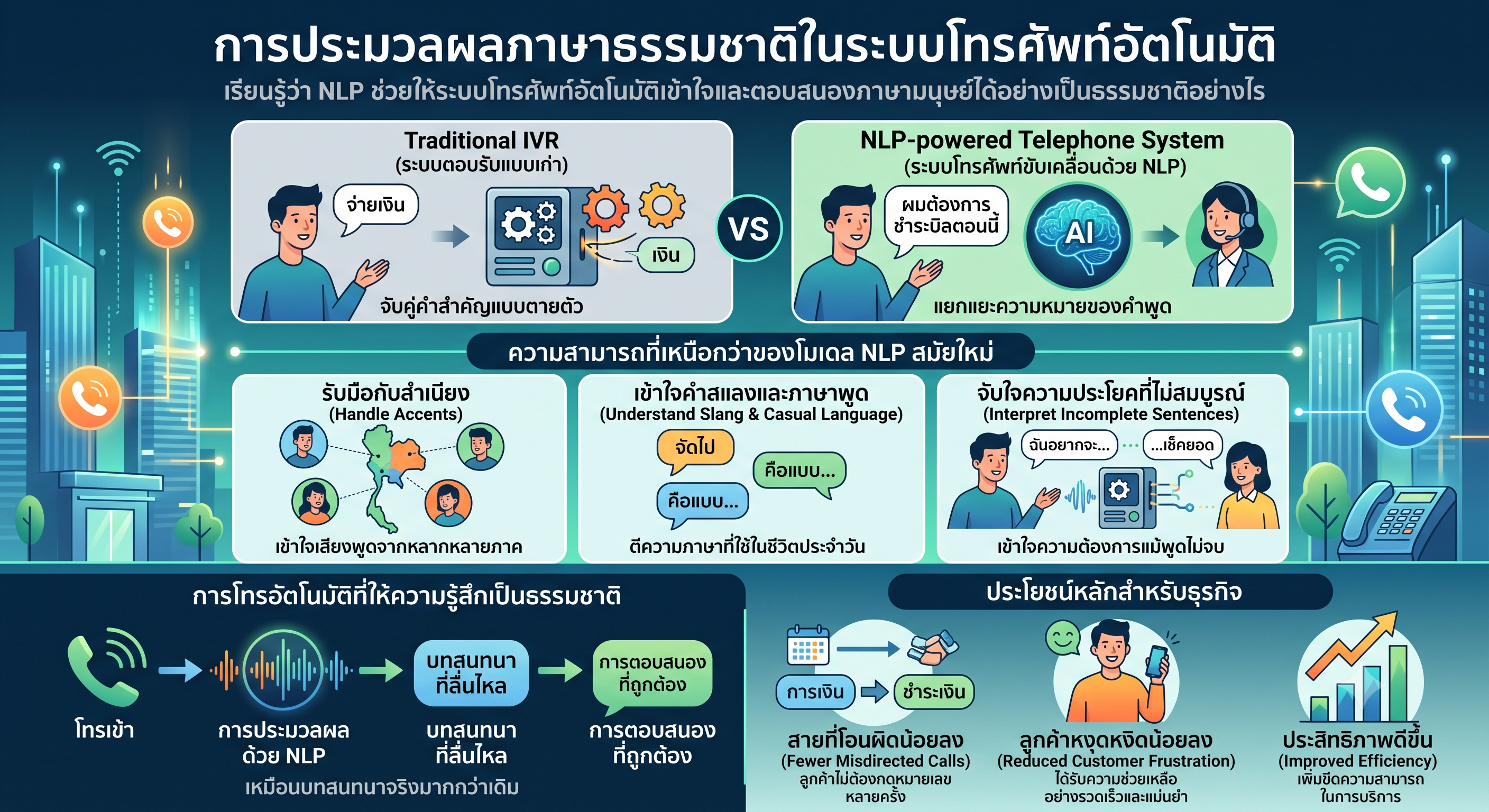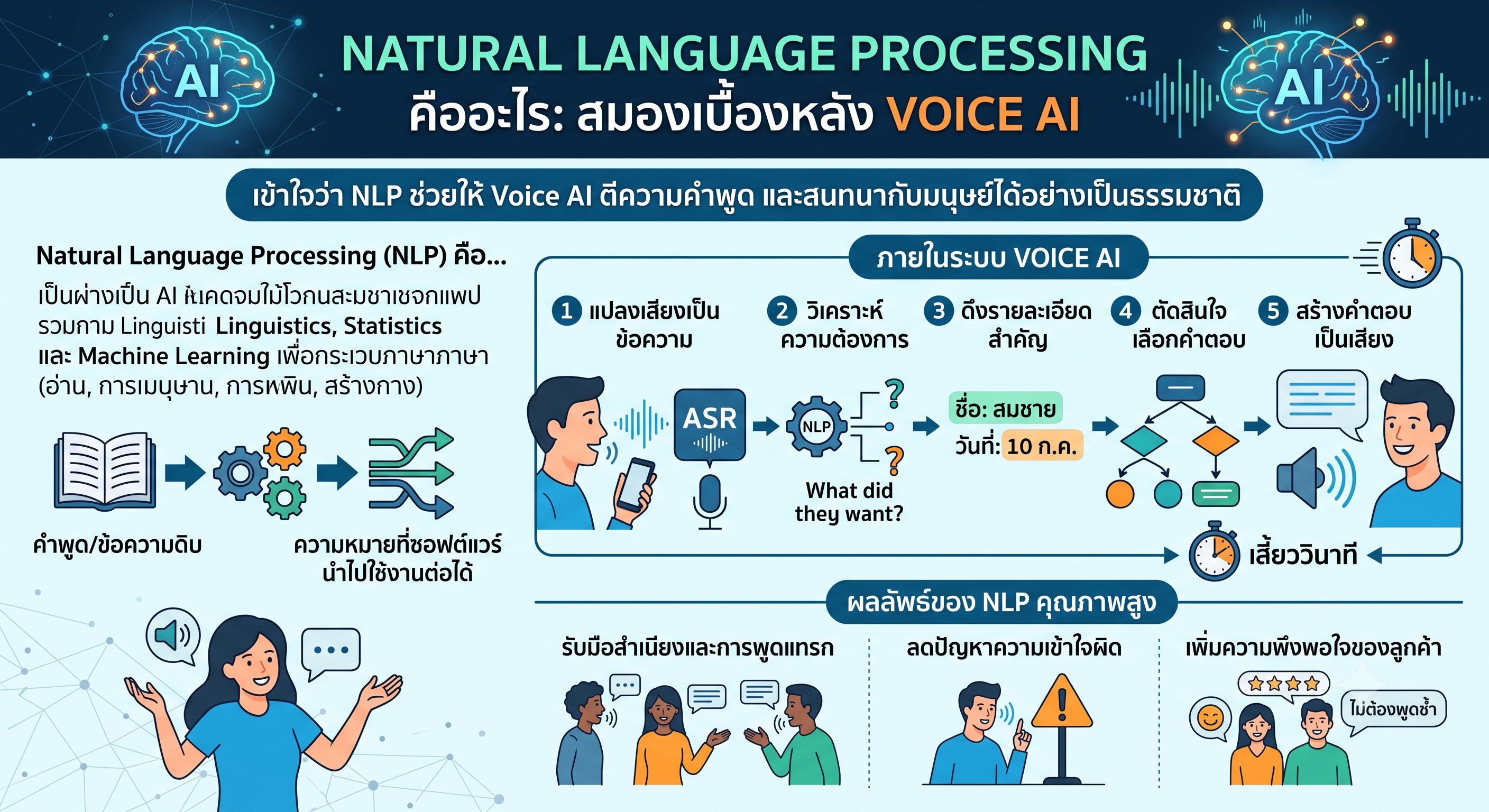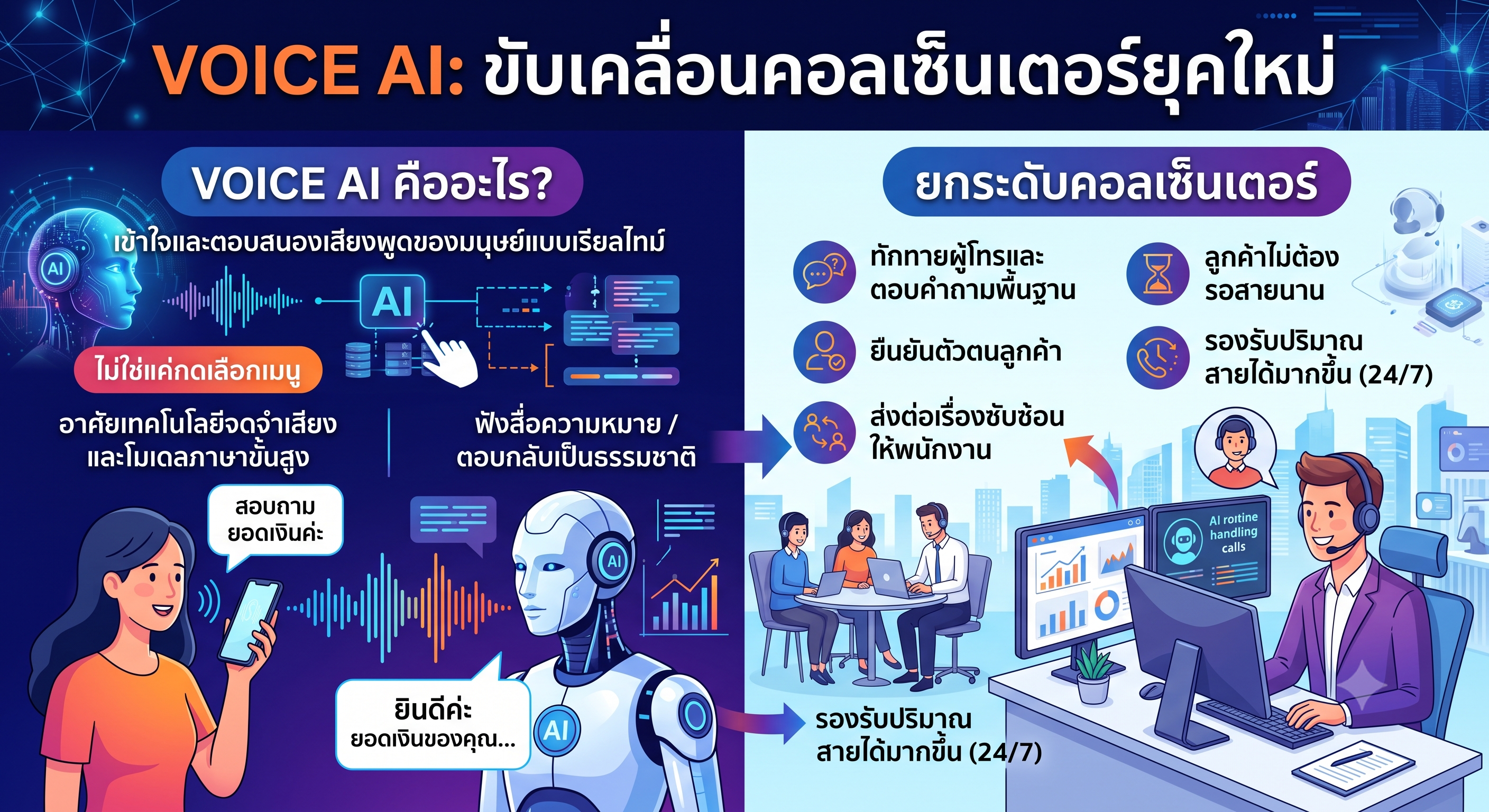
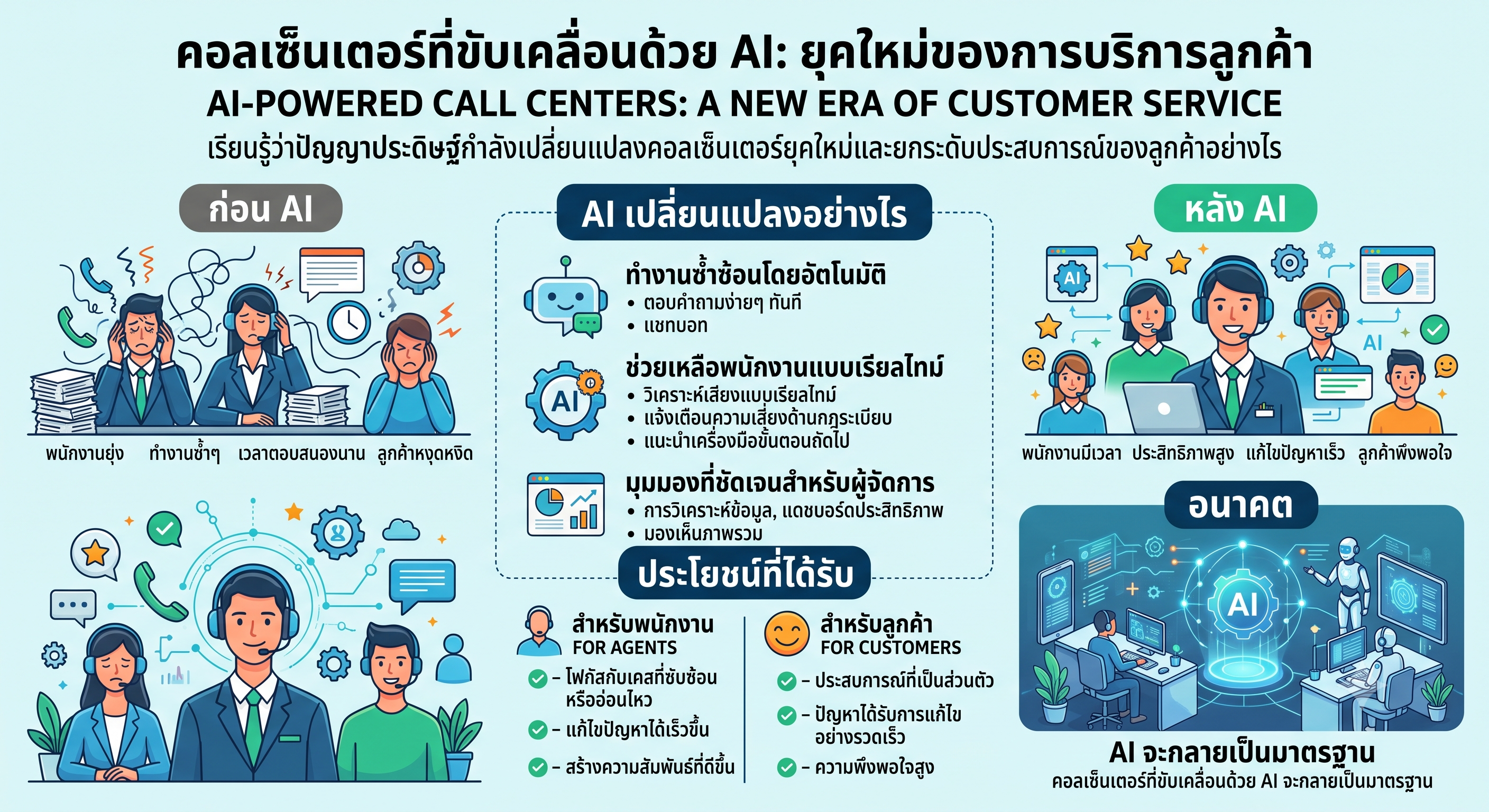
Call centers have long been the front line of customer service, but they are also one of the most demanding environments to manage. Artificial intelligence is now changing that reality by automating repetitive tasks, guiding agents in real time, and giving managers deeper visibility into performance.
Modern AI systems can answer simple questions instantly, freeing human agents to focus on complex or sensitive cases. Speech analytics tools listen to conversations as they happen, flagging compliance risks and suggesting next best actions to agents on their screens.
Beyond efficiency, AI helps personalize every call. By pulling customer history and preferences into a single view, agents can resolve issues faster and build stronger relationships. As adoption grows, AI-powered call centers are becoming the standard rather than the exception.
Real-Time Agent Assistance in Practice
One of the most useful applications of AI in a call center is not replacing agents but supporting them while a call is still happening. As a customer speaks, the system can transcribe the conversation, detect the topic, and surface relevant account information or suggested responses directly on the agent's screen. This means a newer agent can handle a complex billing dispute nearly as effectively as a five-year veteran, because the system fills in knowledge gaps in real time rather than requiring the agent to search through multiple systems mid-call.
Example: A Telecom Support Team
A telecom provider handling roughly 5,000 calls a day introduced real-time agent assistance for its billing and technical support lines. Within the first two months, average handling time dropped by about 18 percent, since agents no longer had to place customers on hold to look up plan details or troubleshooting steps. New hires also reached full productivity in about 3 weeks instead of the previous 8, because the AI prompts effectively acted as an on-the-job training layer during live calls.
Building Trust with Transparent AI
Customers respond better to AI-powered support when they know what they are interacting with and why. Best practice is to disclose when speech analytics or an AI Voice Agent is involved, explain in plain terms how customer data is used to personalize the call, and always offer a clear path to a human agent on request. Call centers that follow this approach tend to see fewer complaints about automation, because customers feel informed rather than monitored without their knowledge.
Metrics That Define Success
Rather than judging an AI-powered call center purely on cost savings, most successful deployments track a balanced set of numbers: customer satisfaction score, average handling time, agent turnover rate, and compliance flag accuracy. A drop in average handling time that comes with falling satisfaction scores usually signals the AI is rushing customers rather than genuinely helping them, so these metrics should always be reviewed together rather than in isolation.