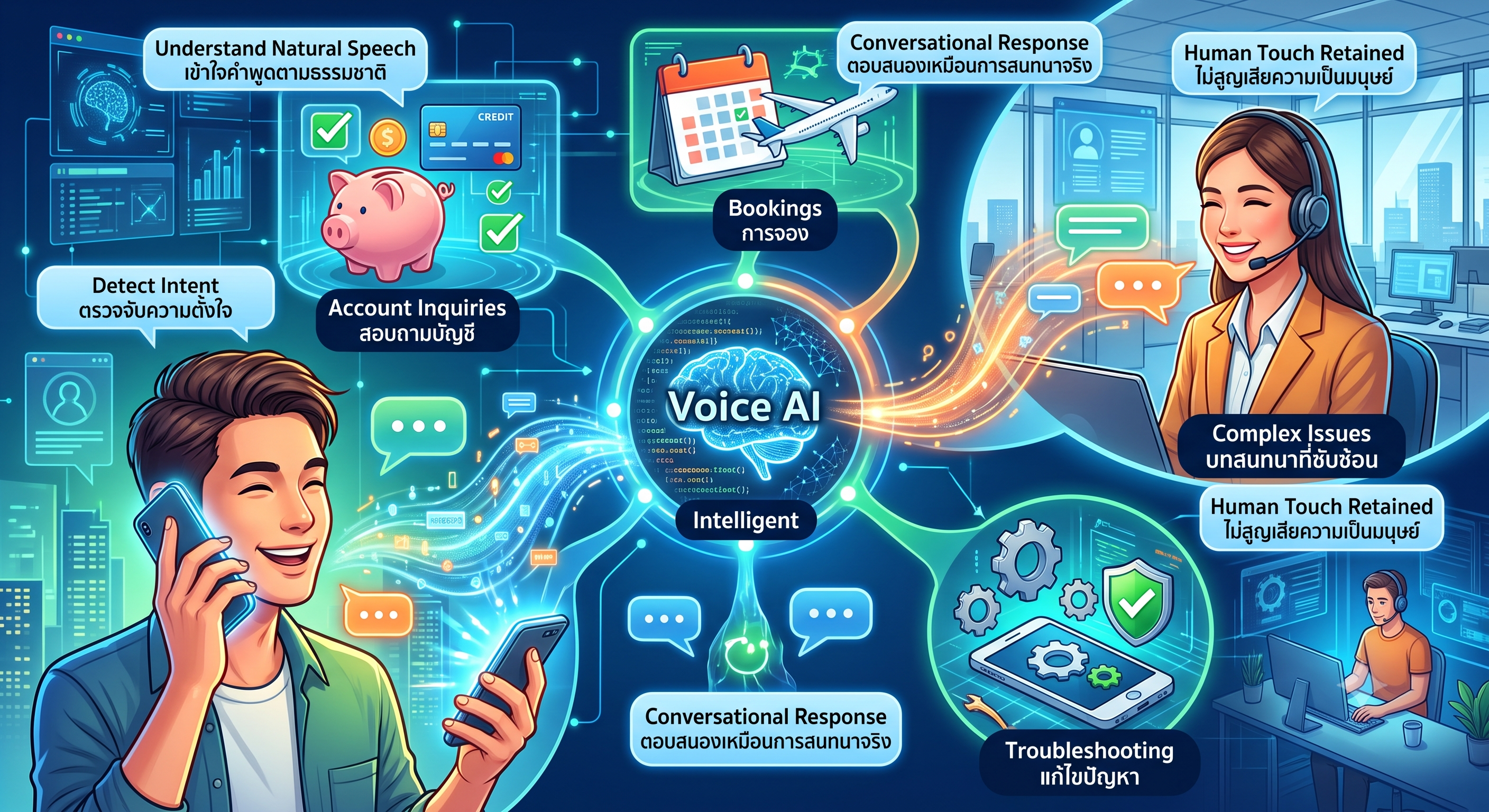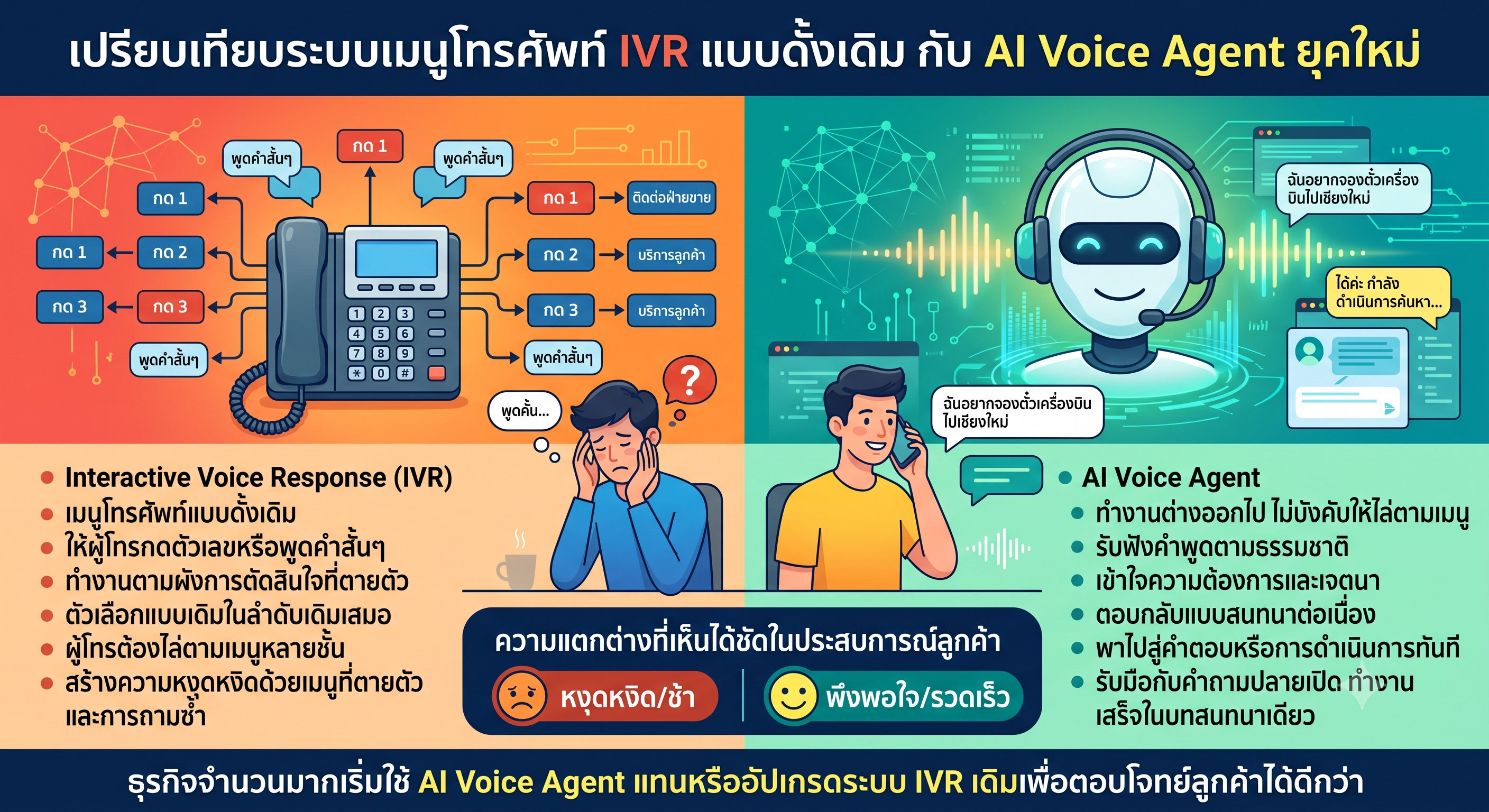
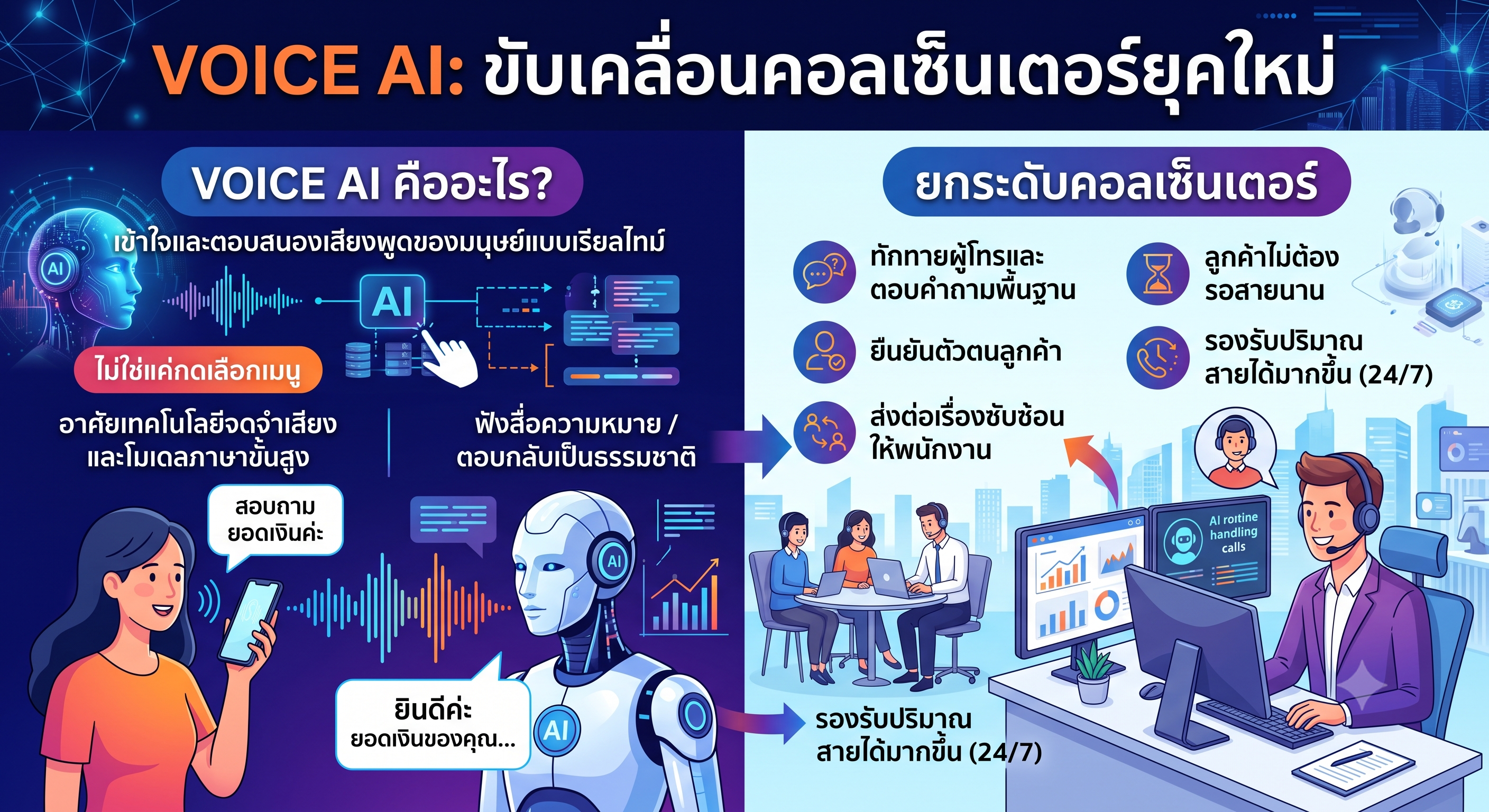
Voice AI refers to software systems that can listen to human speech, understand its meaning, and generate a natural spoken response in real time. Unlike traditional automated phone systems, Voice AI relies on advanced speech recognition and language models to hold genuine conversations rather than simply following a fixed menu of options.
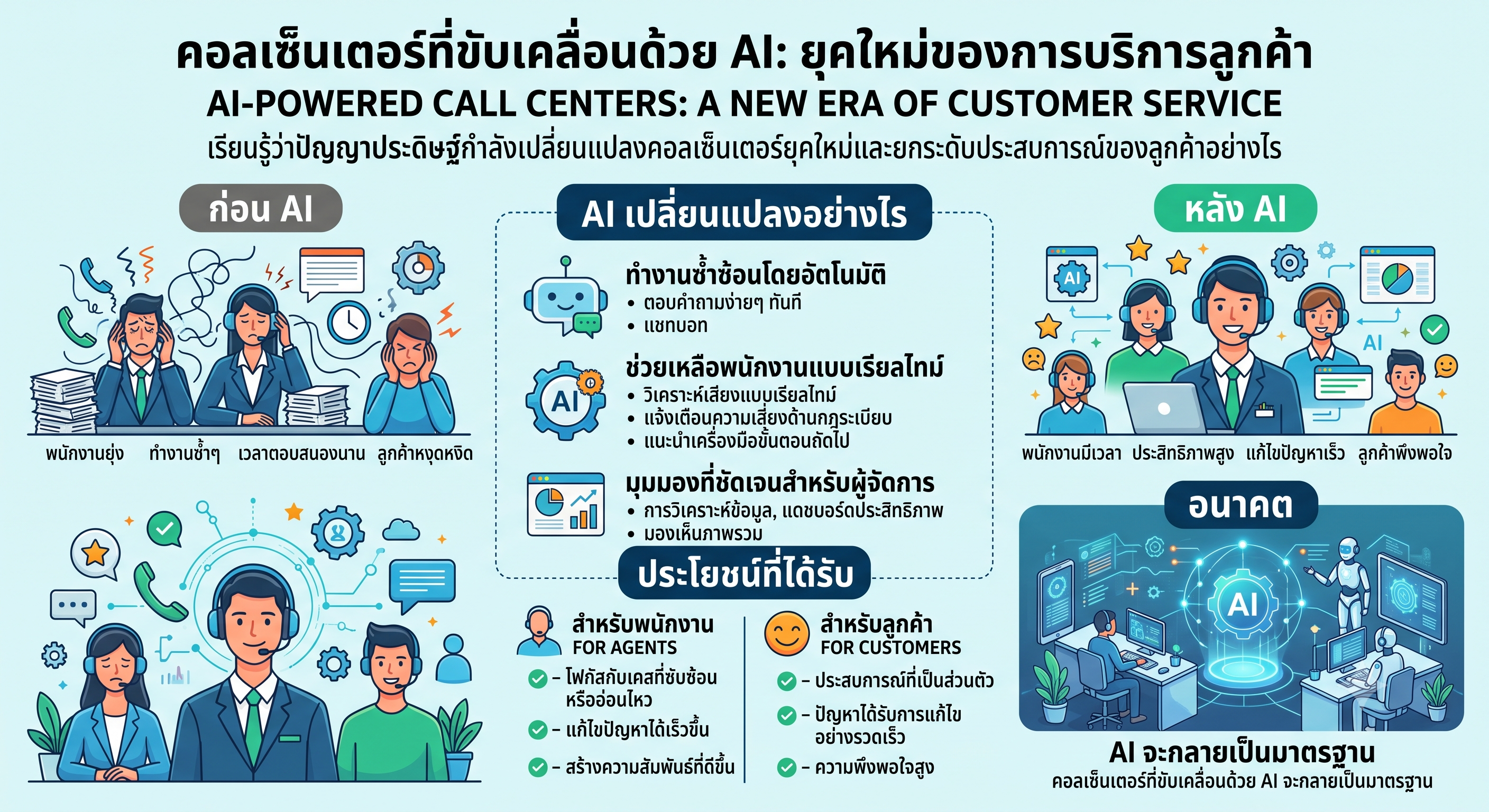
In a modern call center, Voice AI can greet callers, answer common questions, verify identity, and route complex issues to the right human agent, all without making customers wait in a queue. This allows businesses to handle a much higher volume of calls while keeping service quality consistent around the clock.
As speech technology continues to improve, Voice AI is becoming a core part of customer service strategy rather than a novelty. Companies that adopt it early gain faster response times, lower operating costs, and a more scalable way to support growing customer demand.
How Voice AI Actually Works
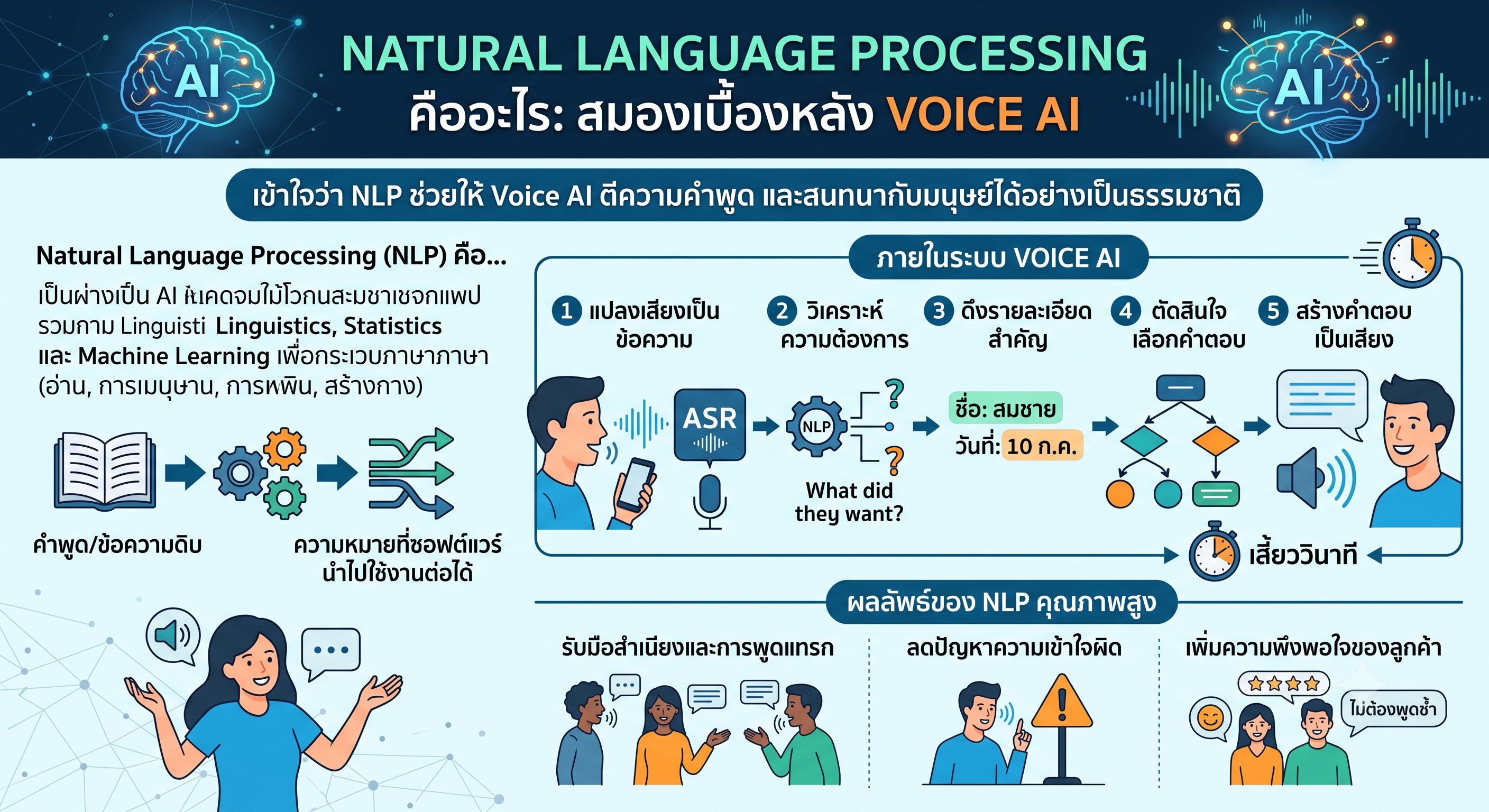
Behind a natural-sounding conversation, Voice AI relies on three components working together in milliseconds. Automatic speech recognition converts the caller's spoken words into text, a natural language understanding model interprets intent and extracts relevant details such as an order number or a requested date, and a text-to-speech engine turns the system's response back into audio that sounds conversational rather than robotic. Because these steps run continuously rather than waiting for a caller to finish an entire sentence, the system can interrupt, clarify, or follow up in a way that feels closer to talking with a person than navigating a menu.
Example: A Utility Company's Billing Line
A regional utility provider deployed Voice AI to handle its billing and outage-reporting line, which previously received about 3,000 calls per day. Within the first month, the system resolved roughly 65 percent of calls without any human involvement, mainly balance inquiries, payment confirmations, and outage status checks. Average wait time dropped from over 4 minutes during peak hours to under 15 seconds, since the AI could handle unlimited concurrent calls. Human agents were reassigned to payment disputes and service changes, the categories where callers most valued a person on the line.
Where Voice AI Still Needs a Human Touch
Voice AI performs best on well-defined, high-frequency requests, but it is not a full replacement for human judgment. Calls involving financial hardship, legal disputes, or visibly distressed callers should route to a human agent quickly rather than being handled entirely by automation, since these situations often require empathy and case-by-case discretion that current models cannot reliably provide. The most effective deployments treat Voice AI as a way to clear routine volume so human agents have more time for the calls that genuinely need them.
Metrics to Track After Deployment
Once Voice AI is live, the numbers worth watching closely include containment rate, meaning the share of calls fully resolved without a human transfer, average handling time, caller satisfaction, and the accuracy of intent recognition on the first attempt. A rising containment rate paired with falling satisfaction usually means the system is closing calls too quickly rather than actually solving the caller's problem, so these figures should always be reviewed side by side rather than as isolated wins.