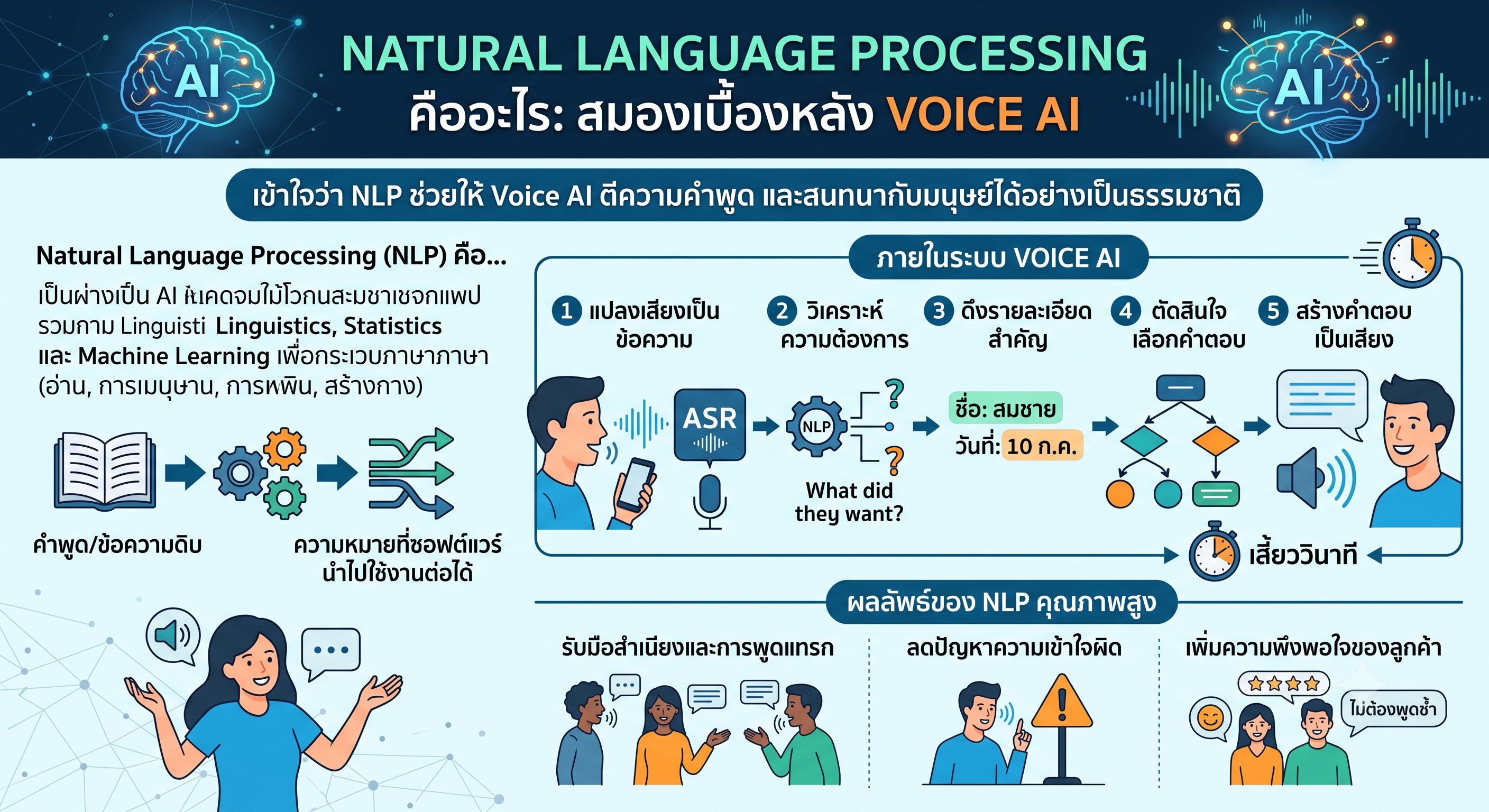
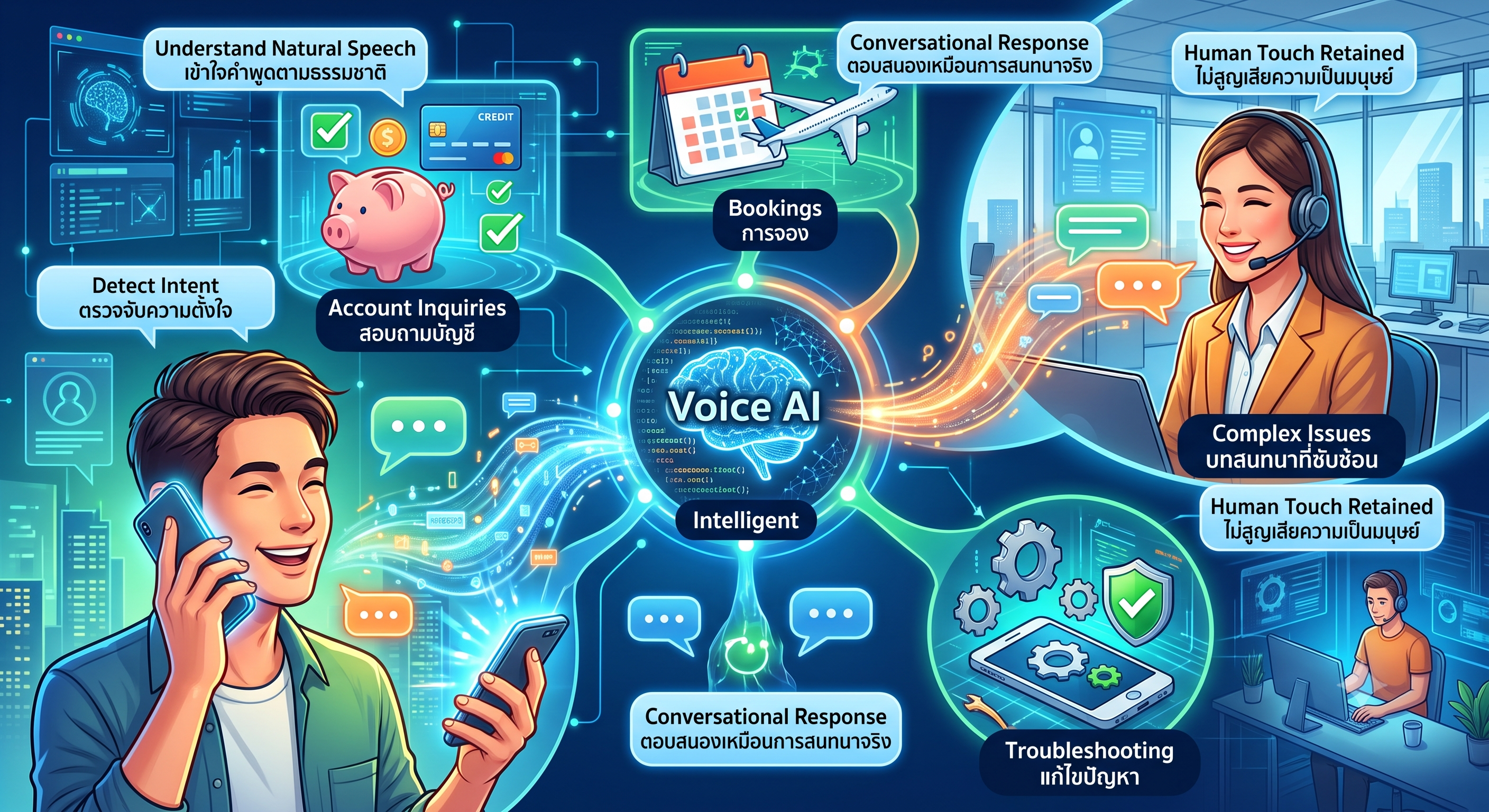
Voice AI has moved far beyond simple automated menus. Today's systems can understand natural speech, detect intent, and respond in a way that feels conversational rather than robotic.
This shift matters because phone calls remain one of the most trusted channels for customers who want quick, direct answers. A well-designed voice AI can handle account inquiries, bookings, and troubleshooting without making callers feel like they are talking to a machine.
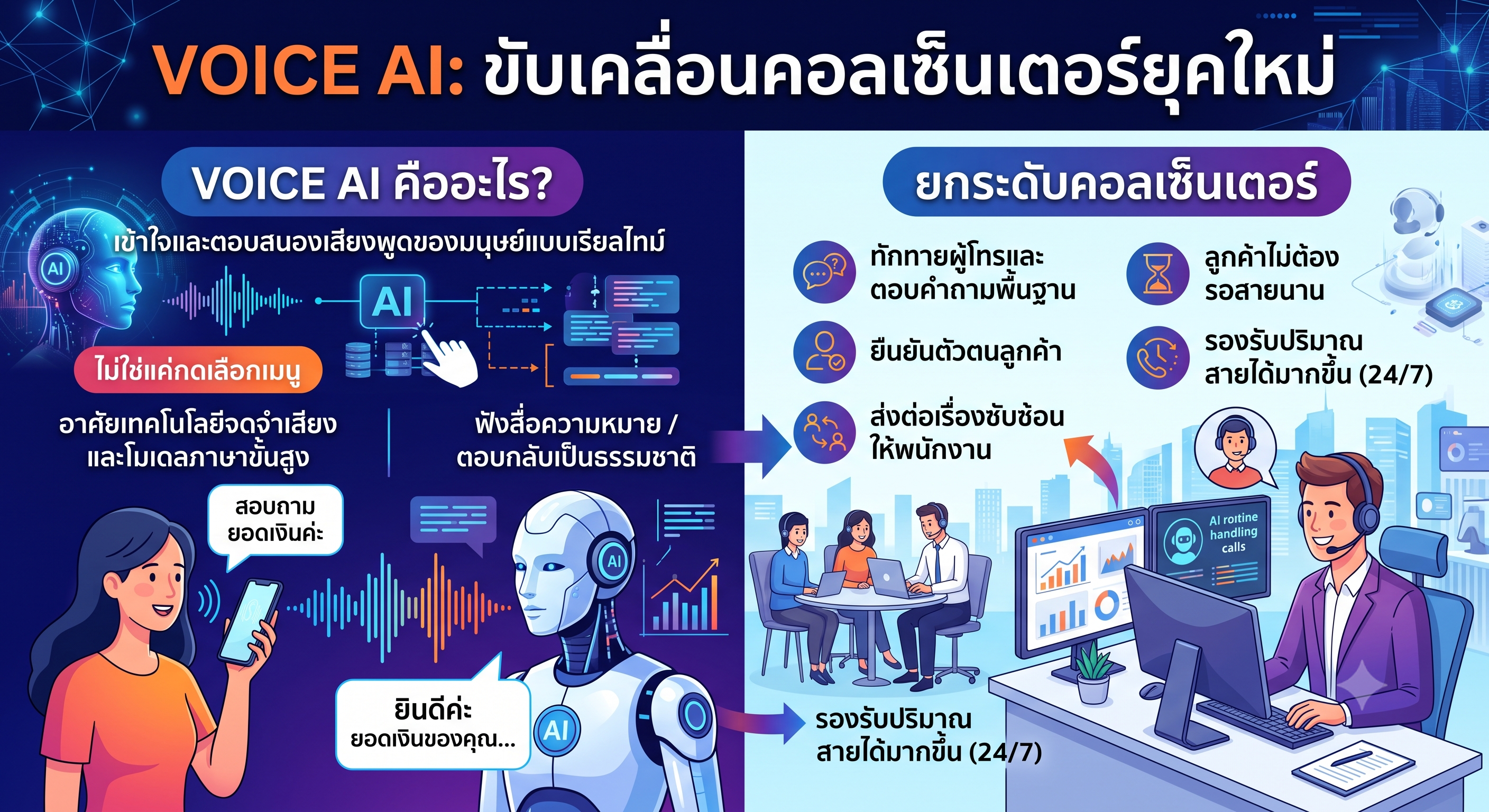
As the technology matures, businesses are blending voice AI with human agents, letting the AI handle routine volume while escalating nuanced conversations seamlessly. The result is faster service without sacrificing the human touch when it truly matters.
From Scripted Menus to Natural Dialogue
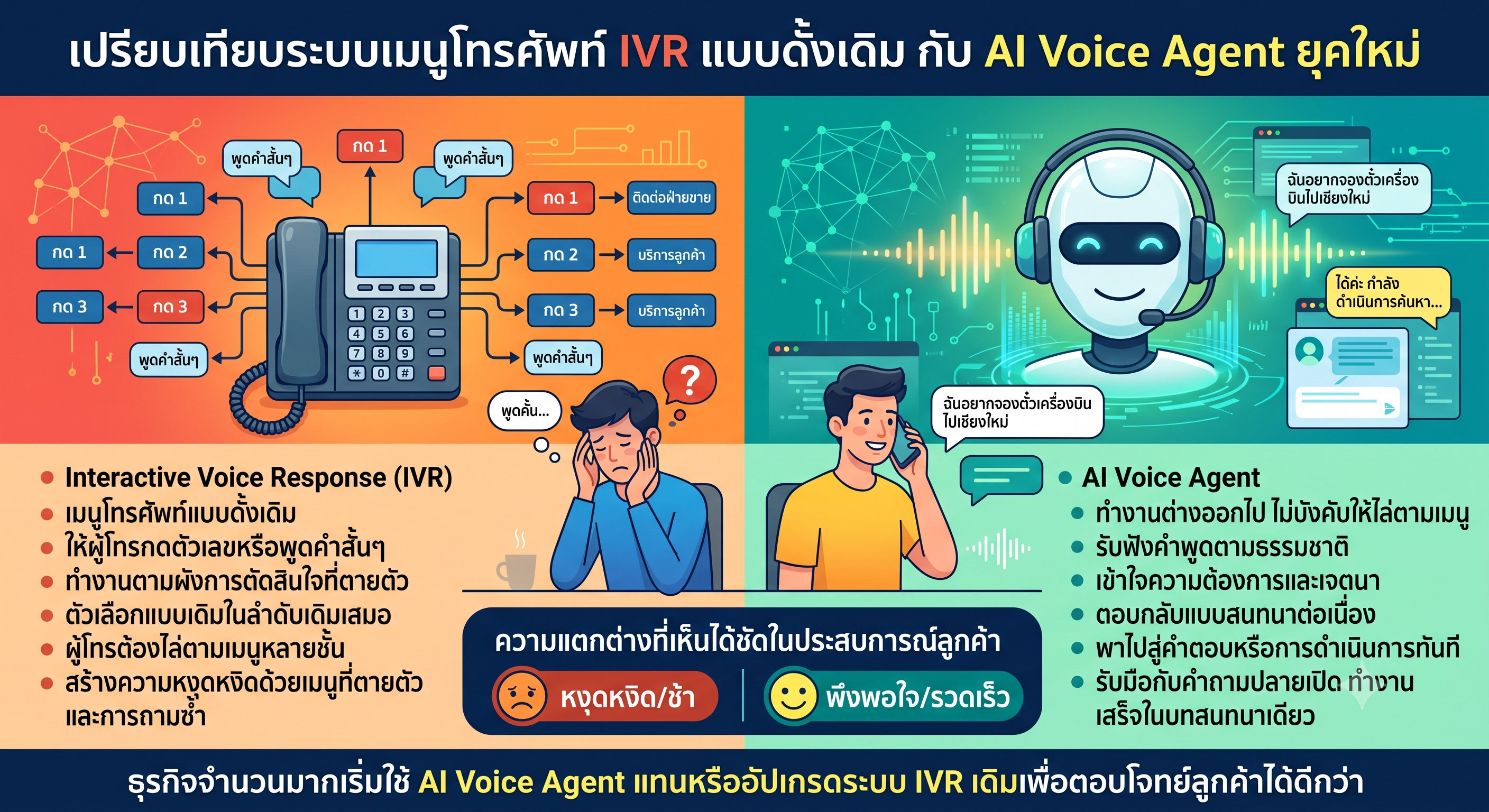
Older phone systems forced callers through rigid menu trees: "press 1 for billing, press 2 for support." Voice AI replaces that with open-ended listening, so a caller can simply say what they need in their own words. Companies that switch from menu-based IVR to conversational voice AI typically see call abandonment drop by 20 to 30 percent, since customers no longer hang up out of frustration with a maze of options.
Example: A Retail Support Call
Picture a customer calling to ask about a late delivery. Instead of navigating five menu layers, they can say "my order hasn't arrived and it was supposed to be here yesterday." Voice AI recognizes the intent, pulls the order status from the backend system, and either resolves the issue directly or routes it to the right team with full context already attached. This can cut average handling time from around 6 minutes to under 2 minutes.
Where Human Agents Still Matter
Voice AI is best at handling repetitive, well-defined requests: checking a balance, rescheduling an appointment, resetting a password. Complex situations, such as a customer disputing a charge or navigating a sensitive account issue, still benefit from a human voice. Leading deployments route roughly 70 to 80 percent of routine calls to AI while keeping the remaining calls with trained staff, which keeps satisfaction scores high on both simple and complex interactions.
What Businesses Should Measure
Before rolling out voice AI broadly, it is worth tracking a few concrete numbers: first-call resolution rate, average handling time, and the percentage of calls that need escalation to a human. A pilot running for at least 30 days across a few hundred calls gives a much clearer picture than a short demo, and it reveals where the AI genuinely helps versus where callers still prefer a person.